Beanie SVG: A Powerful Tool for Designers and Creators
Beanie SVG is more than just a collection of vector graphics—it's a versatile digital resource that empowers designers, entrepreneurs, and creators to bring their ideas to life with precision and flexibility. Whether you're working on branding, marketing materials, or personal projects, understanding how to use Beanie SVG effectively can make a significant difference in your workflow and final output.
What Is Beanie SVG and Why It Matters
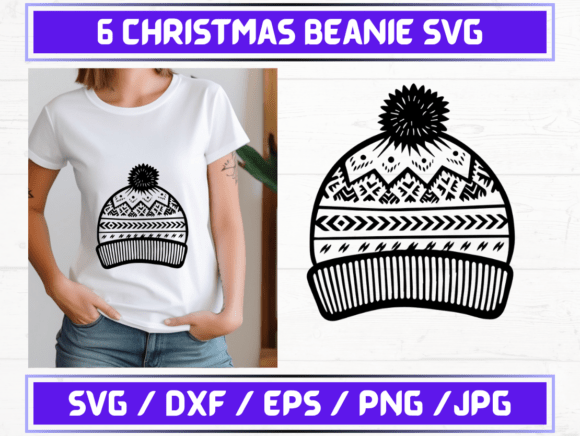
Beanie SVG is a downloadable digital product that includes a variety of file formats such as SVG, PNG, JPG, EPS, and DXF. These files are designed for use across different platforms and applications, making them ideal for both professional and hobbyist use. With 10 versions of each format included in the ZIP folder, you have a comprehensive set of assets ready to be used in graphic design software like Adobe Illustrator, Inkscape, or even online tools.
The high resolution (300 dpi) and transparent background ensure that these files maintain quality when scaled or layered over other designs. This makes Beanie SVG particularly useful for creating logos, icons, illustrations, and more—assets that are essential in today’s visual-driven world.
Common Mistakes When Using Beanie SVG
While Beanie SVG offers great value, there are several common mistakes users make that can impact their experience. One of the most frequent errors is not checking the file formats before downloading. Each format serves a different purpose, and using the wrong one can lead to compatibility issues or loss of quality.
- Mistake: Assuming all file types are interchangeable.
- Impact: Files like SVG and EPS are vector-based and scalable, while PNG and JPG are raster formats that may lose clarity when resized.
- Solution: Choose the right format based on your project needs—vector for scalability, raster for photo-like images.
Another mistake is not considering the resolution and background type. Transparent backgrounds are great for overlays, but if you need the image to appear on a solid surface, you might want to check for an option with a white or colored background. Always review the files before using them in print or web applications.
How to Avoid Common Pitfalls
Before purchasing or downloading Beanie SVG, take a moment to understand what you're getting and how it fits into your workflow. Here are some practical steps to help you avoid common pitfalls:
- Check File Formats: Make sure the formats you’re downloading align with your intended use case.
- Verify Resolution: Confirm that the files meet your project’s resolution requirements, especially if you're planning for print.
- Test Compatibility: Try opening the files in your preferred design software to ensure they work as expected.
- Consider Licensing: Be aware of any usage rights or restrictions associated with the files. Some digital products come with limited licenses, so always read the terms carefully.
By taking these steps, you can ensure that Beanie SVG is a valuable addition to your toolkit rather than a source of frustration.
Realistic Examples and Better Approaches
Let’s say you're designing a logo for a new brand. You download Beanie SVG and choose the PNG file, assuming it will be perfect for your needs. However, when you scale the image for a large banner, it becomes pixelated and unclear. This is because PNG is a raster format and doesn't scale well without losing quality.
A better approach would be to use the SVG file instead. Since SVG is vector-based, it maintains its clarity at any size, making it ideal for logos and icons. This example highlights the importance of matching file format to use case.
Similarly, if you're preparing materials for a print publication, you might overlook the need for a high-resolution file. While the 300 dpi provided by Beanie SVG is suitable for most digital uses, it may not be sufficient for high-quality print. In such cases, consider upgrading to a higher resolution or using a different product that meets your specific needs.
What to Check Before Making a Decision
Before committing to a purchase, take time to evaluate whether Beanie SVG is the right choice for your project. Consider the following factors:
- Use Case: Are you looking for vector graphics, raster images, or both?
- Resolution Needs: Do you require high-resolution files for print or standard digital use?
- Format Compatibility: Will the files work with your design software or platform?
- License Terms: Are there any restrictions on how you can use the files?
- Support and Updates: Does the seller offer support or updates for the product?
These considerations will help you make an informed decision and avoid potential issues down the line.
Conclusion
Beanie SVG is a valuable resource for anyone involved in design, marketing, or creative work. By understanding its capabilities and limitations, you can use it more effectively and avoid common mistakes that could hinder your progress. Take the time to research, test, and plan—your projects will thank you for it.